
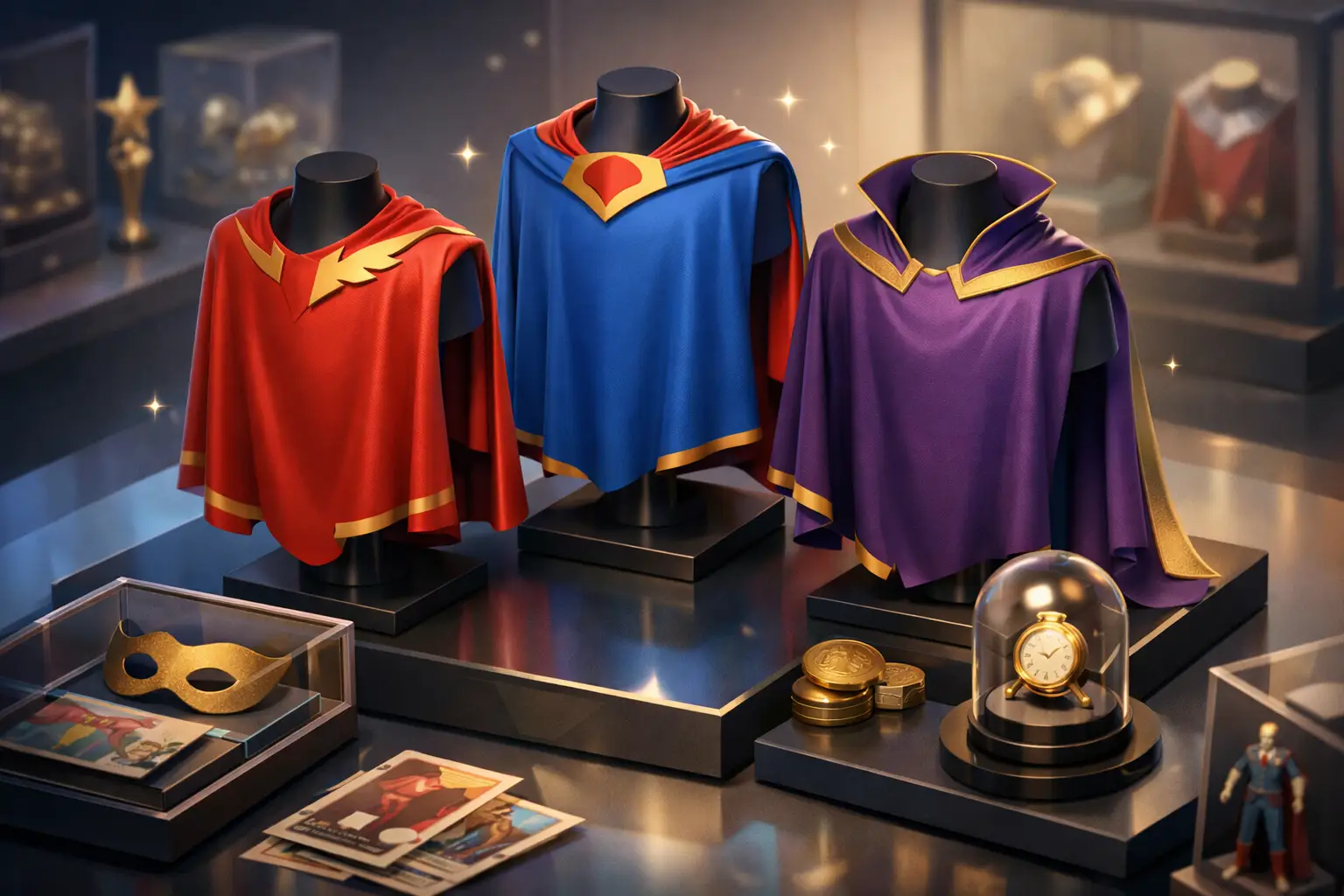
A legacy cape can be only a few pixels across on a Minecraft character, yet it can say more than a full inventory of expensive cosmetics. So, why are legacy capes valuable? Because they combine limited supply, visible history, and a level of ownership prestige that most in-game items cannot match. For longtime players and serious collectors, a rare cape is proof of participation, early fandom, or access to an event that will not be repeated.
Minecraft capes occupy a unique place in the game’s cosmetic culture. They are not needed to survive a night, build faster, or win a PvP match. Their value comes from being seen. On multiplayer servers, in screenshots, and across years of play, a cape becomes part of a player’s identity.
Why Are Legacy Capes Valuable in Minecraft?
The short answer is scarcity. The more useful answer is that scarcity only matters when it is paired with recognition and authenticity.
Many legacy capes were tied to specific moments in Minecraft history: early game events, conventions, promotional campaigns, charitable initiatives, migration milestones, or limited redemption windows. Once an event ends or a redemption period closes, the pool of eligible players stops growing. That creates a fixed supply, or at least a supply that is much more restricted than a cosmetic available through an open store.
Collectors do not just see a cape design. They see the story attached to it. A cape associated with an early era of Minecraft carries cultural weight because it connects its owner to a version of the community that newer players cannot recreate. That historical connection is a major reason a classic or event-related cape can command more attention than a newer cosmetic with more detailed artwork.
Not every old cape is equally valuable, though. Age alone is not enough. A cape’s collector appeal depends on how it was distributed, how many players received it, whether it remains visible on modern accounts, and how recognizable it is to the Minecraft community. A limited cape with a clear origin usually has stronger demand than an obscure design with uncertain availability.
Rarity Is More Than a Low Number
In collectible markets, people often reduce rarity to a single question: How many exist? That matters, but Minecraft cape value is more nuanced.
A cape may be rare because it was issued to a small event audience. Another may be rare because only players who completed a specific process during a short time frame could receive it. Some are highly desirable because the original distribution method was hard to access, while others became scarce after official redemptions ended.
Perceived rarity also plays a role. A cape that is instantly recognized in a busy lobby often holds more social value than one that is technically rarer but unfamiliar. Collectors want pieces that other players understand. Recognition turns scarcity into status.
This is why a cape’s visual identity matters. Strong colors, an iconic symbol, or a design linked to a famous Minecraft moment can make it memorable at a glance. A valuable cape does not need to be flashy, but it usually has a story that experienced players recognize without explanation.
Official History Creates Collector Demand
Legacy capes have value because they are connected to the official Minecraft ecosystem, not because they are simply hard to find. That distinction is critical.
An official cape has provenance. Its origin can be traced to a legitimate event, program, promotion, or redemption process. That origin gives collectors confidence that the item represents a real part of Minecraft history rather than an imitation, a client-side visual mod, or an unverified claim.
For buyers, provenance is what separates a collectible from a random skin accessory. If a cape was issued through an official channel and remains tied to a valid redemption method or account entitlement, it has a foundation for long-term demand. If its history is vague, its value is much harder to assess.
This is also why documentation matters. Collectors should understand what the cape is, when it was issued, who was eligible, and whether the code or entitlement can still be redeemed. Clear details protect the buyer and make the collectible more meaningful after purchase.
A Cape Can Mark a Real Community Moment
Minecraft has been around long enough that its community has distinct eras. A cape tied to one of those eras functions like a digital badge from that period. It may remind a player of an old convention, a milestone update, a community event, or the early years when capes were seen far less often.
That emotional connection should not be dismissed as nostalgia alone. Nostalgia drives demand because it gives an item personal meaning. A collector may want a cape because they missed the original event, because it represents the version of Minecraft they grew up with, or because it completes a collection tied to a specific chapter of the game.
Visibility Makes Digital Prestige Real
A collectible only has status value if people can see it. Minecraft capes are unusually effective because they are displayed directly on a player’s character. Unlike a hidden achievement or a rare item stored in a chest, a cape travels with the player.
In multiplayer spaces, that visibility creates instant signaling. Other players may not know your build style, rank, or playtime, but they can see your cape immediately. For collectors, that public display is part of the appeal. The cape is not just owned – it is worn.
There is a trade-off here. A rare cape can be highly meaningful even if few people recognize it, but broad recognition generally supports stronger collector demand. The most sought-after designs tend to balance scarcity with community awareness. They are hard to obtain, easy to identify, and connected to a story players care about.
Redemption Status Can Change the Value
Before treating any legacy cape as a purchase decision, buyers need to understand whether they are looking at a redeemable code, an account-bound entitlement, or an item that has already been redeemed. These are not interchangeable.
An official, unused code may offer a path to redemption if it is valid and supported under the applicable redemption rules. An account-bound cape, by contrast, is tied to the account that received it and may not be transferable. A cape that has already been redeemed should never be presented as though it offers a new owner a usable entitlement.
This is where collectors need to slow down. A high price does not prove a code is valid. Screenshots can be incomplete, descriptions can be vague, and informal peer-to-peer transactions can leave buyers with no meaningful support if something goes wrong.
A specialist marketplace such as MineCapes.gg is built around the reassurance collectors need: verified listings, secure Stripe checkout, instant code delivery by email, and support when redemption or delivery questions arise. Verification is not a minor detail in this category. It is the difference between buying a genuine collectible opportunity and taking a costly gamble on a claim.
What Buyers Should Evaluate Before Paying
A legacy cape is worth considering when its value is supported by more than hype. Start with its official origin and distribution history. Then look at the cape’s rarity, community recognition, visual design, and relevance to the collection you are building.
Next, confirm the exact form of the item. Is it an unused official redeemable code? Is there a stated redemption process? Are the delivery and support terms clear? Buyers should know what they are receiving before checkout, especially because digital goods can move quickly and may not have the same recovery options as physical collectibles.
Finally, be honest about your goal. If you want a cape to wear on servers and show off, visibility and personal taste may matter most. If you are building a historical collection, provenance and scarcity may deserve more weight. If you are buying a gift, a recognizable design and a clear redemption experience often matter more than owning the rarest possible option.
The Value Is Personal, but Trust Is Not Optional
Legacy capes are valuable because Minecraft players give meaning to history, rarity, and visible identity. The strongest capes bring all three together: a legitimate origin, a limited path to ownership, and a design that carries recognition wherever the player goes.
A rare cape should feel like a deliberate addition to your Minecraft identity, not a rushed gamble. Know the story behind it, verify what is being sold, and choose the cape you will still be proud to wear long after the first screenshot.