
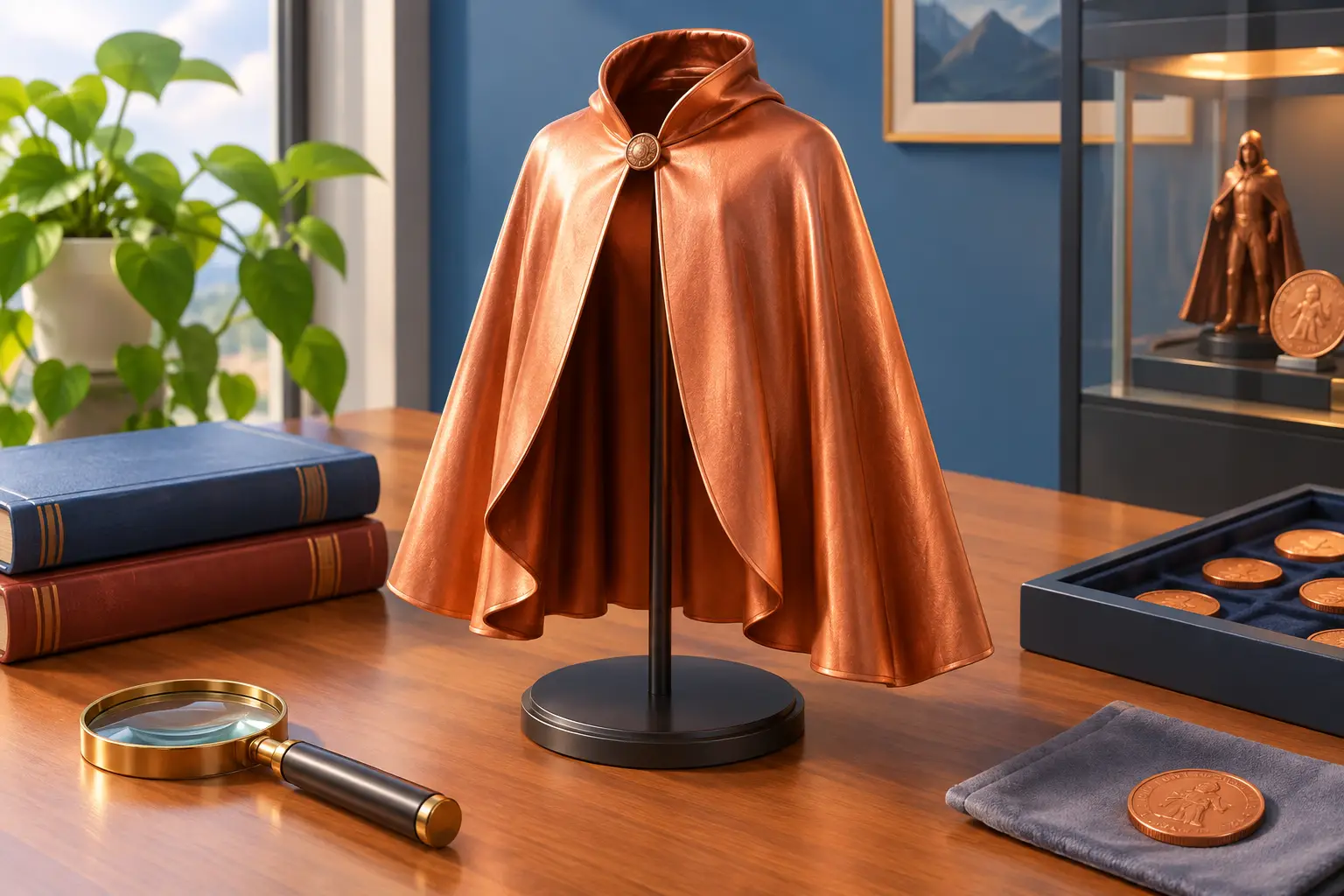
A copper cape is not just another character cosmetic. In Minecraft, capes sit at the top of the visual-status ladder because they are limited, account-bound after redemption, and immediately visible in the right settings. For players who care about rare cosmetics, the appeal is simple: a cape can show where you were, what event you took part in, or what official opportunity you secured before it disappeared.
That prestige also creates confusion. Cape names, release rules, platform availability, redemption deadlines, and code sources can all vary. If you are considering a Copper Cape code, the details matter more than the hype. The right purchase is an official, unused code that can be redeemed to the intended Minecraft account. Anything less is a risk collectors do not need to take.
Why the Copper Cape Has Collector Appeal
Minecraft has thousands of skins, but most are easy to download, recreate, or replace. A cape is different. It is tied to an account and typically issued through official events, promotions, experiences, migrations, or limited campaigns. That distinction gives capes their long-term collector value.
The Copper Cape stands out because it is associated with the copper era of Minecraft’s visual identity. Copper already has a strong place in the game: it oxidizes, changes color, and rewards players who appreciate builds with personality rather than perfectly static materials. A cape built around that theme feels at home with players who follow updates closely and want their in-game identity to reflect more than a default look.
Its value is not only about the design. Availability is the real driver. When an official cape is limited to a specific promotion, audience, location, event window, or code distribution, the number of redeemable copies is naturally restricted. Once the original opportunity ends, collectors who missed it may have only a small resale market to work with.
That does not mean every limited cape will rise in value forever. Demand changes, new cosmetics appear, and some collectors care more about legacy capes than current promotional releases. Still, rarity, official status, and a recognizable theme give a Copper Cape a stronger collector case than an ordinary skin pack cosmetic.
Official Code vs. Account Access
This is the biggest distinction a buyer needs to understand. A legitimate cape code is redeemed to your own Microsoft account through the official redemption process. After it is successfully applied, the cape belongs to that account under the platform’s rules. You control the account, its security, and its future use.
Buying access to someone else’s account is a completely different transaction. It can be recovered by the original owner, may violate platform rules, and leaves you without meaningful ownership security. Even if the account appears to work on day one, you are trusting a stranger with the ability to take it back later.
For collectors, official redeemable codes are the cleaner format because they preserve the point of collecting: adding a rare item to the account you actually play on. A code also avoids the security problems that come with sharing passwords, changing account details, or trying to transfer digital ownership after the fact.
Before buying, confirm that the listing clearly identifies the item as an official redeemable code, not an account, a screenshot, a promise of future delivery, or a vague “cape service.” The wording should be specific. So should the fulfillment process.
What to Verify Before You Buy
A Copper Cape can be highly desirable, but desirability should not lower your standards. Digital collectible markets move fast, and scammers often rely on urgency. They know a player who has been searching for a rare cape may skip basic checks to avoid missing out.
Start with the code status. A code should be unused and delivered in full, with no requirement to send your account credentials to the seller. Next, check whether the cape has redemption restrictions. Some codes may have an expiration date, a regional limitation, a platform requirement, or eligibility terms connected to the original promotion. Those restrictions do not automatically make a code bad, but they need to be disclosed before checkout.
You should also look at how the seller handles delivery and support. Instant email delivery gives you a record of fulfillment and lets you redeem while the transaction is fresh. Secure checkout matters too. A seller using established payment processing and clear order confirmation offers far more accountability than a random direct-message deal.
Finally, pay attention to listing verification. A marketplace that reviews inventory before publication is not a guarantee against every issue, but it is a much better signal than an unmoderated seller board. At MineCapes.gg, the focus is verified official cape listings, tracked fulfillment, and support when a buyer needs help with delivery or redemption.
How to Redeem a Cape Code Without Mistakes
Once you receive an official code, do not sit on it if the promotion terms include an expiration date. Redeem it as soon as you are ready and make sure you are signed in to the exact Microsoft account where you want the cosmetic to live. This is especially important for collectors with multiple accounts, old usernames, or separate accounts for different platforms.
Use the official Minecraft or Microsoft redemption flow specified with the code. Enter the code carefully, then confirm the account shown on the redemption screen before finalizing. A successful redemption is usually permanent to that account, which is great for security but unforgiving if you are signed into the wrong one.
After redemption, allow time for the cosmetic to sync. Cape visibility can depend on the edition you are using, account synchronization, launcher updates, and the platform’s cosmetic settings. If it does not appear immediately, do not assume the code failed. First confirm that the redemption completed successfully, then check the appropriate character or dressing-room customization area.
Save your purchase confirmation and delivery email even after the cape appears. Those records can be useful if you need to contact support about a redemption issue. They also provide a clean proof-of-purchase trail for your personal collection records.
Rarity Is More Than a Low Supply Number
Collectors often ask whether a specific cape is “rare,” but that question has more than one answer. A cape can be rare because few codes were ever issued. It can also be rare because many recipients never redeemed theirs, because the code has expired, or because holders are not willing to sell.
The Copper Cape’s perceived value will depend on all of those factors, plus recognition. Some capes are technically scarce but only matter to a narrow group of players. Others have a strong visual theme, a memorable release story, or a connection to a major Minecraft moment. Those details make a cosmetic easier for the community to recognize and easier for collectors to want.
Condition matters in digital collecting, too. An unused, official code with clear terms is generally more desirable than a code with uncertain origin or incomplete information. For a buyer, however, the best value is not always the lowest price. It is the price that reflects verified delivery, legitimate redemption, and a realistic chance of keeping the cape on your own account.
Is the Copper Cape Right for Your Collection?
If you collect capes because you enjoy Minecraft history, cosmetic rarity, or a more distinctive player profile, the Copper Cape makes sense as a targeted addition. It has thematic appeal for players who like copper’s place in the game and practical appeal for collectors who prioritize official account-bound cosmetics.
It may be less compelling if you only want the most universally recognized legacy cape or if you are buying purely on speculation. No digital cosmetic comes with a guaranteed future resale value. The strongest reason to buy is that you genuinely want to wear it, keep it, and know it was redeemed safely to your account.
Treat a rare cape like any serious digital collectible: verify the source, understand the redemption terms, redeem promptly, and keep your records. That approach turns a Copper Cape from a risky marketplace find into a cosmetic you can actually enjoy every time you load into Minecraft.