
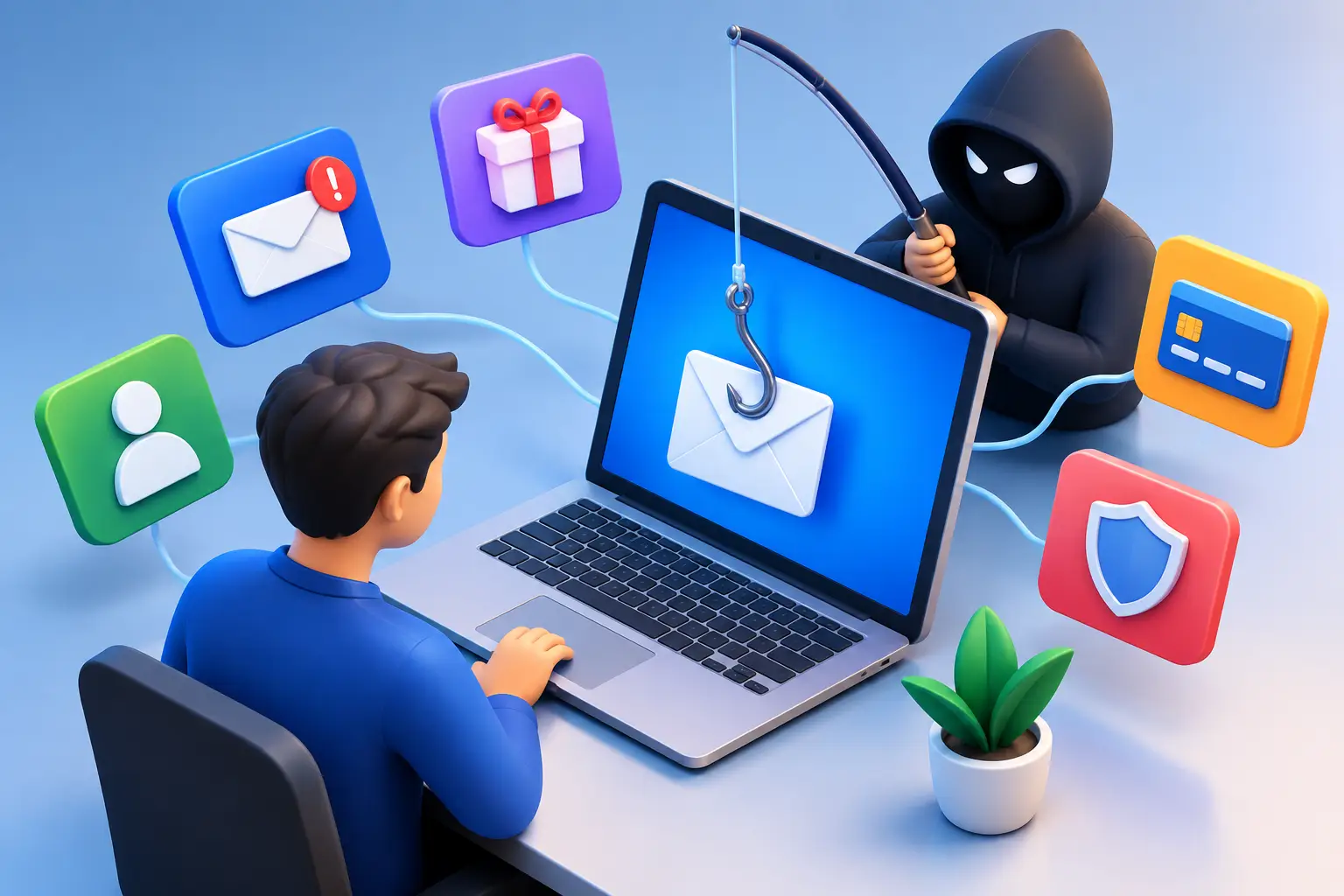
A rare cape offer can look convincing in a single screenshot: a familiar cape design, a price lower than expected, and a seller claiming they need to move it fast. That is exactly why cape phishing scam examples matter to collectors. The target is rarely just your money. Scammers may be after your Microsoft account, your payment details, or a legitimate cape code you already own.
Minecraft capes carry real collector value, especially when an event, legacy, or limited-release design is difficult to find. That value creates pressure. A buyer who normally checks every detail may rush because they think someone else will claim the code first. The safest move is to slow the transaction down long enough to verify what is actually being offered.
Why cape scams are built around urgency
Phishing works by getting you to act before you can inspect. In cape trading spaces, the usual bait is scarcity: “last code,” “need this gone today,” “discount if you redeem now,” or “I have another buyer waiting.” A legitimate seller can have limited inventory, but scarcity is not proof that a listing is real.
A real cape code is redeemed through an official Microsoft or Minecraft redemption flow. It is not redeemed by entering your login on a random lookalike page, scanning a QR code sent by a stranger, or giving someone a one-time security code. The moment an offer asks for account access, treat the cape as secondary and protect the account first.
7 cape phishing scam examples collectors should know
1. The fake Microsoft login page
This is the classic account-stealing setup. A seller sends a link and says you need to “verify eligibility” before they can transfer the cape. The page may use Microsoft colors, familiar wording, and a login box that looks close enough on a phone screen.
After you enter your email and password, the scammer has your credentials. Some pages also immediately ask for a two-factor authentication code, allowing the scammer to complete the sign-in while you are still waiting for a cape that does not exist.
Never sign into your Microsoft account from a seller’s link. If you need to check your account or redeem a code, type the official destination into your browser yourself. The small difference between a real domain and a misspelled one is often the entire scam.
2. The “code checker” that steals your redemption code
A scammer may claim they can verify whether your code is unused before you buy or trade. They will ask you to paste the full code into a checker, Discord form, or bot command. In reality, they can redeem it themselves or use it to pressure you with false information.
A cape code is the item. Once you expose the full code to an untrusted party, you may have handed over the value before receiving anything in return. Screenshots with part of a code hidden are not complete proof either, but they are safer than sending the redeemable string.
Legitimate commerce should give you clear terms, a defined delivery process, and a way to resolve a problem without asking you to surrender your account or code. There is no reason for a random individual to need your code before a transaction is complete.
3. The Discord middleman impersonator
A fake middleman scam often begins with a seller who appears trustworthy. They suggest using a “verified” moderator or escrow contact from a Discord server. Then an impersonator with a similar display name and copied profile image joins the chat.
The fake middleman may ask both sides to submit codes, account details, or payment. Display names are easy to copy, and even usernames can be designed to look nearly identical at a glance. A role badge shown in a cropped screenshot is not verification.
If you use any community process, verify the person through the server’s official member list and established channels, not through a direct message or an invite supplied by the seller. Even then, peer-to-peer escrow carries risk. For high-value capes, a verified storefront with secure checkout and defined delivery is usually the cleaner route.
4. The giveaway form that asks for your account
“Free cape giveaway” posts are common bait, particularly around Minecraft events, creator announcements, and holiday promotions. The form may ask you to sign in with Microsoft, connect a Discord account, or complete a series of surveys to claim a reward.
Official giveaways have clear rules and recognizable organizers. They do not need your Microsoft password, recovery codes, or authentication prompts. Survey-heavy pages are often built to collect data, push subscriptions, or route users into a credential-harvesting page.
Be especially skeptical when the giveaway promises a cape that was never available as a broadly redeemable code. If the claimed item and the redemption method do not match Minecraft’s history, the promotion is already failing a basic credibility check.
5. The payment refund trap
Some scammers do not start by stealing a login. They accept payment, claim there was a code issue, then send a fake refund form. That form asks for card information, billing details, or a verification code supposedly needed to release the money.
A legitimate refund is handled by the original payment platform or merchant. You should not have to re-enter your full card number through a form sent in chat. The same caution applies to messages claiming your payment is “held” until you verify an account.
Use payment methods that provide a transaction record and buyer protections where available. Requests for gift cards, cryptocurrency sent to a personal wallet, or payments marked as friends and family remove useful safeguards and are a major warning sign for a cape purchase.
6. The compromised friend or creator account
A message from a familiar account can still be malicious. Discord, X, email, and even Minecraft community accounts get compromised. The attacker may message followers with a believable line: “I got an extra cape code, want it cheap?”
Look for changes in writing style, unusual urgency, new payment methods, and links that do not match the person’s normal behavior. Confirm through another channel before acting. For example, ask a question only the real person would understand, or wait for a public confirmation from their established account.
Trust should come from the transaction process, not only the profile sending the message. A familiar avatar is easy to steal. A controlled checkout, documented order confirmation, and direct delivery are much harder to fake consistently.
7. The fake marketplace clone
A clone site copies a known marketplace’s logo, product photos, and layout, then changes the checkout destination. Search ads, misspelled URLs, and links in unsolicited messages can send buyers there. The page may even display fake stock counters and recent-purchase popups to make the store feel active.
Before paying, inspect the domain carefully and avoid entering through an ad or a direct message when possible. Check whether the site explains what it sells, how codes are delivered, how support works, and what happens if redemption fails. Vague policy language and checkout pages that suddenly move to an unrelated domain are signs to leave.
A specialized seller should be able to explain whether the listing is an official redeemable code, how its inventory is verified, and how delivery is tracked. At MineCapes.gg, that focus is built around verified listings, Stripe checkout, and instant code delivery by email rather than informal account handoffs.
How to assess a cape offer before you pay
Start with the item, not the hype. Ask whether the cape was actually issued as a redeemable code, whether the seller can describe its source without evasive answers, and whether the price makes sense for its rarity. A dramatic discount is not automatically fraudulent, but it raises the level of proof you should require.
Then assess the transaction. You should know the final price, the payment method, the delivery timing, and the support path before sending funds. Avoid deals that move from a public listing into disappearing messages, or that add new conditions after you have committed to buy.
Finally, protect your Microsoft account as if it were part of the collection, because it is. Use a unique password, enable two-factor authentication, and never share verification codes. If you entered credentials on a suspicious page, change your password immediately, review account security activity, and remove unfamiliar sign-in methods or devices.
What to do after you spot a scam
Do not keep negotiating with the scammer. Save screenshots of the offer, profile, payment request, and suspicious URL, then report the account on the platform where you found it. If payment was sent, contact the payment provider promptly with the transaction details. Quick action does not guarantee recovery, but delays make disputes harder.
If a Microsoft account may be compromised, secure it before worrying about the cape. Change the password from a trusted device, review recent activity, and update recovery information. A rare cosmetic is worth protecting, but your account library, personal details, and purchase history are worth even more.
The best cape deal is not the one that creates the most urgency. It is the one where the code, seller, checkout, and delivery process all hold up when you take a minute to look closely.