
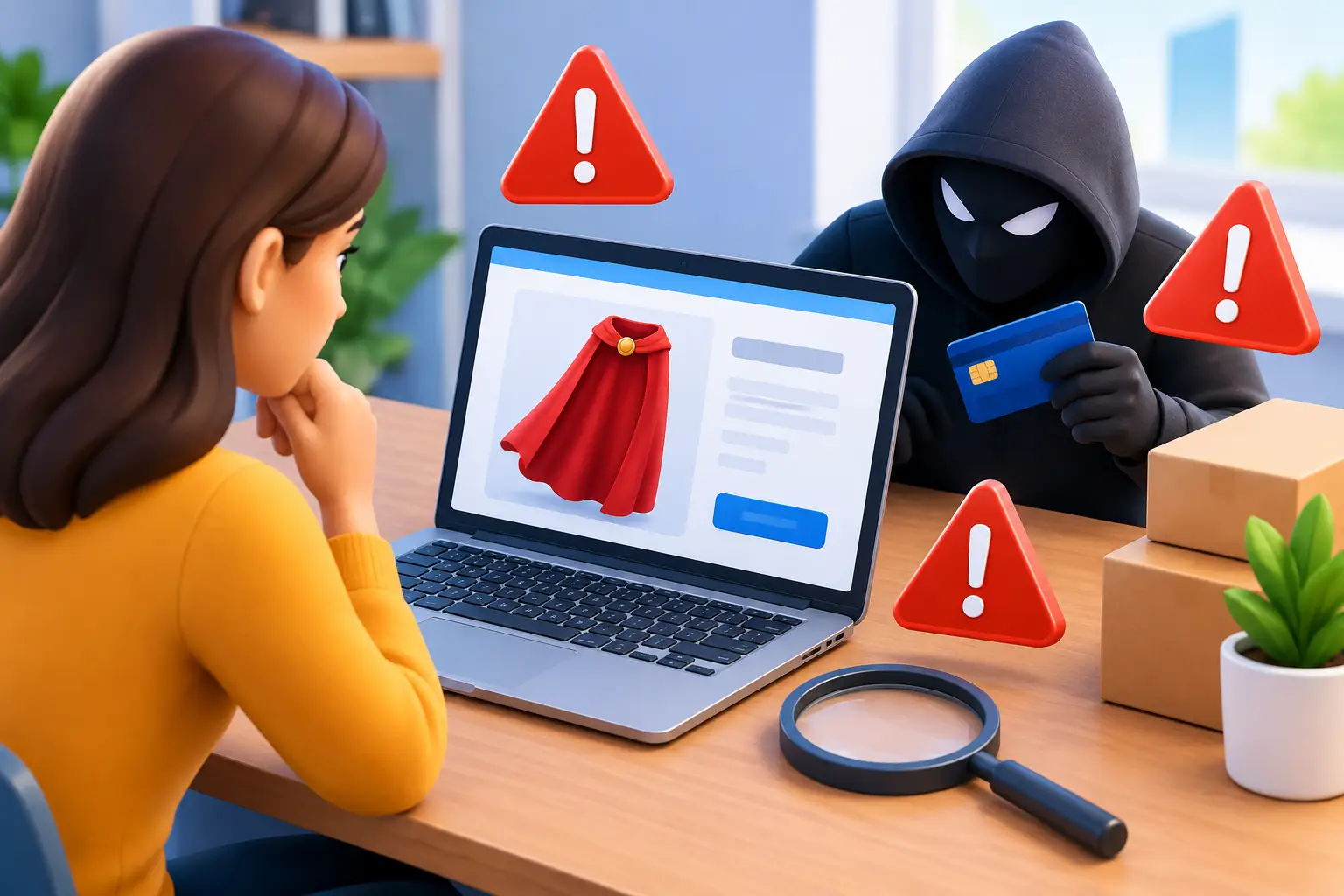
A rare Minecraft cape can be the piece that finishes a collection – or the purchase that teaches you why collectors stay cautious. The five cape scam warning signs below are designed for buyers who want official, redeemable cosmetics without handing money, account access, or personal information to a stranger with a convincing profile picture.
Capes are valuable because they are scarce, visible, and tied to Minecraft history. That same demand attracts sellers who know a buyer may act fast when a legacy, event, or limited-release cape appears at a price that feels too good to miss. The best defense is not paranoia. It is a repeatable buying standard: verify the item, verify the seller, and never let urgency replace proof.
Why Cape Buyers Are a Frequent Target
Minecraft capes are not ordinary cosmetic items. Some were earned through events, some came with specific products or promotions, and others are associated with particular moments in the game’s community. A legitimate unused code can have real collector value, especially when supply is limited.
Scammers take advantage of the gap between seeing a cape in screenshots and receiving a code that successfully redeems to your own account. They may use images copied from old listings, borrow proof from another seller, or claim that a code is “safe” while avoiding the one thing that matters: verifiable delivery and a clear path to resolve a problem.
A real purchase should leave you with ownership. If the seller’s process depends on trust alone, private messages, or access to your Minecraft account, the risk is already too high.
The Five Cape Scam Warning Signs
1. The price is far below the collector market
A discount is not automatically a scam. Sellers may want a quick sale, may be clearing inventory, or may price an item competitively. But an expensive or difficult-to-find cape code offered for a tiny fraction of its usual collector value deserves a hard pause.
The scammer’s goal is usually speed. A dramatic price drop creates fear of missing out, especially when the listing says “first come, first served” or claims there are other buyers waiting. Before paying, ask a simple question: why would someone with a valuable official code sell it for less than they could reasonably get through a secure marketplace?
There can be legitimate answers, but they should come with evidence. A believable seller can explain what they are offering, how delivery works, and what happens if a code is invalid. A vague story plus a miracle price is not proof.
2. They want payment methods with no buyer protection
Requests for crypto, gift cards, cash-transfer apps sent as “friends and family,” or direct wallet payments should put you on alert. These payment methods are attractive to scammers because they are difficult or impossible to reverse once sent.
For a digital collectible, protected checkout is part of the product. You are not only paying for a code. You are paying for a record of the transaction, a defined delivery process, and a way to raise an issue if the item does not arrive or cannot be redeemed.
A seller may claim that protected payment fees are inconvenient. That is their business problem, not yours. If they refuse a normal secure checkout and pressure you to pay off-platform, walk away. Saving a few dollars is not worth losing the entire purchase with no recourse.
3. The seller asks for your Minecraft account credentials
No legitimate cape-code sale requires your Microsoft account password, email password, authentication code, recovery code, or session token. A redeemable code should be delivered to you so you can redeem it yourself through the official process.
Some scammers frame account access as a convenience. They may say they will “apply the cape for you,” verify the account first, or need to log in because the code is region-locked. Those claims create a direct path to account theft. Once someone controls your account or changes its recovery details, getting it back can be stressful and slow.
The same rule applies to screen sharing. Do not let an unknown seller watch your redemption screen, access your browser, or direct you to sign in on a site you did not independently verify. Your account is more valuable than one cosmetic, especially if it holds years of worlds, purchases, and memories.
4. Their proof is easy to fake and hard to inspect
A screenshot of a cape, a cropped redemption email, or an inventory image proves very little on its own. Images can be reused, edited, or taken from a previous transaction. Even a video can be misleading if it only shows a cape attached to an account rather than an unused, redeemable code.
Look at the quality of the evidence and the seller’s willingness to answer direct questions. Can they clearly state whether the item is an official code? Do they explain delivery timing? Do they have consistent listing details rather than changing claims? Is their proof connected to the exact item being sold, not just a cape that exists somewhere?
Be equally wary of sellers who use reputation as a substitute for proof. A Discord role, a large follower count, or a long list of vouches can be fabricated, bought, or collected from unrelated transactions. Reputation is useful only when it sits alongside a secure transaction process.
5. They create pressure, confusion, or changing terms
Scams often become obvious when you slow the conversation down. The seller may insist you must pay in the next five minutes, say another buyer is about to take the code, or accuse you of being difficult for asking normal questions. They may also change the price after you agree, add an unexpected “transfer fee,” or say delivery will happen later because their code is stored on another account.
A trustworthy seller makes the transaction easier to understand, not harder. You should know the cape type, total price, payment method, delivery expectation, and support route before money changes hands. There should be no surprise fees and no mystery steps after checkout.
Urgency can be real with limited inventory. But legitimate urgency still allows for clarity. If a seller needs you confused to close the sale, they are not offering collector-grade service.
What a Safer Cape Purchase Looks Like
Safe buying is less about finding the loudest promise and more about choosing a process that protects you. Start with a listing that identifies what you are purchasing in plain language. For code-based capes, that means an official redeemable code, not a rented account, a shared login, an “unban guarantee,” or a future promise that someone will obtain the code later.
Next, use a checkout method that creates a transaction record. The order should show what you bought and where to get help if delivery or redemption does not go as expected. Instant email delivery is useful because it removes the awkward period where a private seller claims they will send the code “soon,” but it should be paired with clear support rather than automation alone.
Finally, redeem the code yourself and keep your order confirmation until redemption is complete. Do not post the full code in chat, screenshots, or social media. Treat it like cash: once another person can read it, they may be able to redeem it before you do.
How to Respond When Something Feels Off
If you spot one warning sign, ask for clarity. If you spot several, do not negotiate your way into feeling safe. Leave the transaction, keep screenshots of the messages and listing, and report the account or marketplace listing where appropriate.
If you already sent money, act quickly. Contact the payment provider through its official support channel, gather receipts and conversation records, and change passwords if you shared any account information. Enable two-factor authentication on your email and Microsoft account, particularly if you clicked an unfamiliar sign-in page or provided a code.
Collectors should never have to gamble on ownership. A cape is meant to be worn, shown off, and kept as part of your Minecraft identity. Buy from a process built around verification, secure payment, direct code delivery, and real support – then enjoy the rare cosmetic without wondering whether it will disappear with your money.