A rare cape changes how a Minecraft account feels. It is visible in lobbies, screenshots, multiplayer servers, and every skin preview where players recognize the difference between a standard cosmetic and a piece of Minecraft history. But if you want to buy Minecraft capes, the purchase needs to be treated like a collectible transaction, not a casual in-game shop order.
The right cape can be a personal flex, a legacy item from an event you missed, or the missing piece in a serious collection. The wrong seller can leave you with an already-redeemed code, an account-security problem, or nothing at all. Knowing what you are buying, how it is delivered, and how redemption works makes the difference.
Why Minecraft capes are worth collecting
Minecraft capes have never been ordinary cosmetics. Many were awarded through official events, conventions, promotions, creator programs, migrations, and limited campaigns. Once a distribution window closes, the original route to earning that cape may be gone permanently. That limited supply is what gives certain capes real collector appeal.
For some players, the value is entirely personal. A cape might represent an early era of Minecraft, a favorite event, or a design that fits a carefully built skin. For others, rarity matters. A recognizable cape can signal that its owner understands the game’s cosmetic history and has put real thought into their digital identity.
Not every cape carries the same level of demand. Availability, design, event significance, and whether a redeemable code still exists all affect desirability. A newer promotional cape can be easier to find than a legacy event item, while a visually simple cape may still be highly sought after because of its origin story.
That is why buyers should avoid treating all listings as interchangeable. You are not only paying for a design. You are paying for a specific entitlement, its redemption status, and the confidence that it can be applied to your own Minecraft account.
Buy Minecraft capes as codes, not accounts
The safest model is straightforward: purchase an official, unredeemed cape code and redeem it yourself on the Minecraft account you control. This keeps the cape attached to your own account through the intended redemption process, rather than forcing you to inherit someone else’s account history.
Buying an account for its cosmetics is a very different transaction. It can expose you to recovery disputes, login issues, changed credentials, and potential enforcement risks. Even when an account appears available, the original owner may retain information that can be used to recover it later. A cape is not worth losing access to the account that holds it.
A redeemable code gives you a cleaner ownership path. You receive the code, use the official redemption flow, and see the cape associated with your account. Before purchasing, make sure the listing clearly identifies that it is a code and explains what cape it redeems.
There is one trade-off worth understanding: not every historic cape was distributed as a code. Some capes are permanently bound to accounts that earned them. If your goal is secure ownership on your own account, focus on capes with legitimate, unused redemption codes rather than chasing offers that require account transfers.
What a trustworthy cape listing should tell you
A good listing does not rely on vague claims like rare cape or instant item. It gives you enough information to understand exactly what is being sold. You should be able to identify the cape, know that the code is unredeemed, and understand how delivery will happen after payment.
Look for a marketplace that verifies listings before they go live. In a category built around limited-use digital codes, verification is not a bonus feature. It is the baseline that helps prevent duplicate, invalid, or misleading inventory from reaching buyers.
Secure checkout matters just as much. Use a storefront with established payment processing rather than sending money directly to an individual through a payment app, gift card, cryptocurrency transfer, or unprotected method. Those informal arrangements may look cheaper, but the lower price often comes with no meaningful recourse if the code fails.
Delivery should be clear and trackable. Instant email delivery is ideal because it gets the code to you quickly while creating a record of the purchase and fulfillment. Check your inbox and spam folder after checkout, then keep the delivery email until the cape has been successfully redeemed.
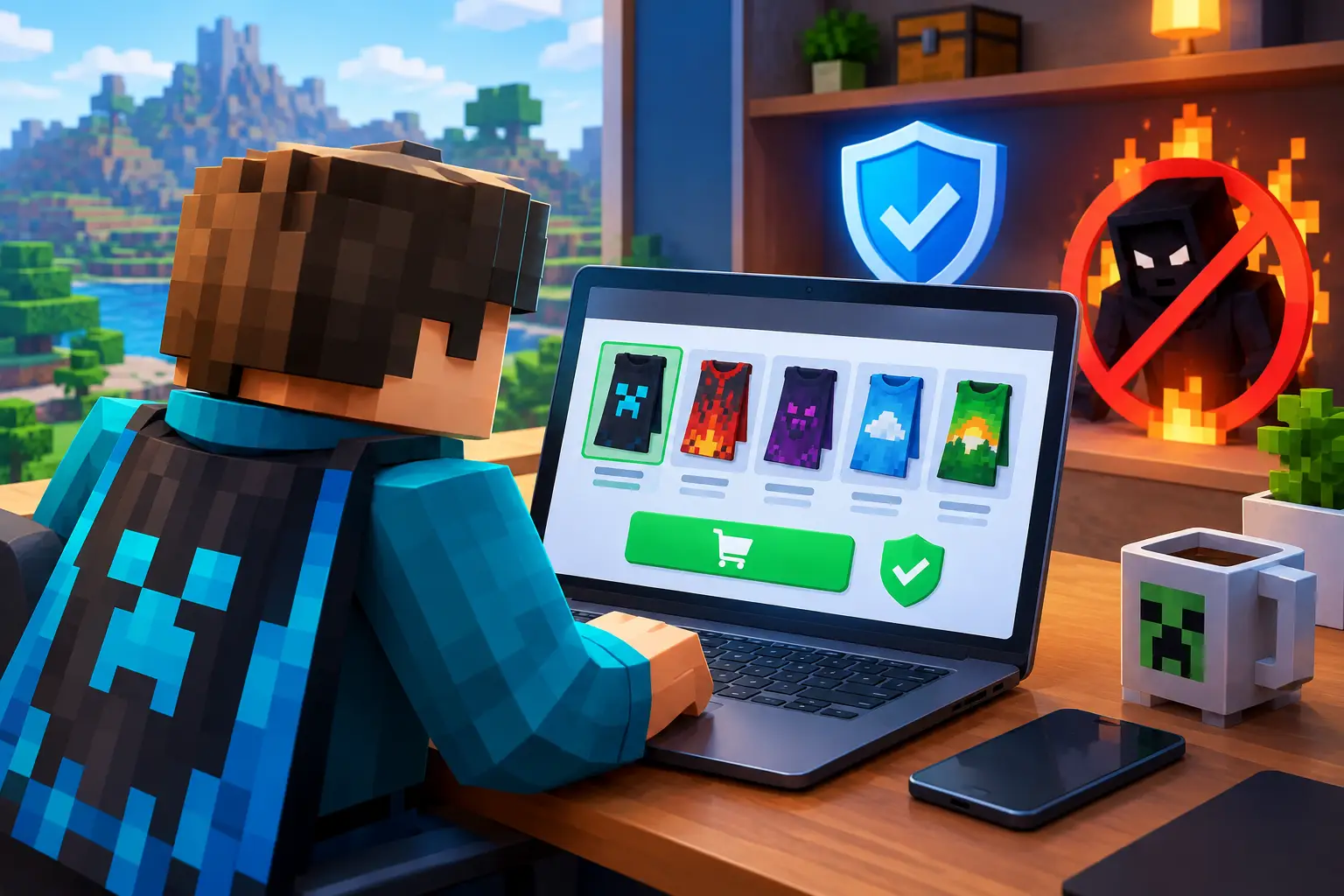
Support also matters when things do not go perfectly. A legitimate marketplace should be prepared to help with delivery issues, redemption questions, and documentation around your order. MineCapes.gg is built around this collector-first approach, with verified listings, Stripe-secured checkout, and digital code delivery designed for buyers who want less friction and more certainty.
Red flags that can cost you a cape
Cape scams usually depend on urgency, ambiguity, or both. A seller may insist that another buyer is waiting, refuse to show what is being sold, or push you into paying outside a protected checkout flow. Rare collectibles can create real urgency, but you should never let that urgency replace basic verification.
Be cautious when a listing has no specific cape name, no explanation of whether it is a code or account, or no stated delivery process. Be equally cautious with prices that are far below comparable listings. A discount can be legitimate, but an extreme bargain in a scarce market often means that something is missing from the story.
Do not share your Minecraft login, email access, authentication codes, or recovery details to receive a cape. A valid redeemable code should not require a seller to access your account. If anyone says they need your credentials to apply the item, walk away.
Screenshots alone are not proof of an available code. They can be reused, edited, or show a cape already tied to another account. What protects the buyer is a verified item, a documented order, secure payment, and a seller that stands behind fulfillment.
Redeem your code carefully
Once your code arrives, redeem it promptly through the official redemption process specified for that cape. Do not post the code in a public chat, screenshot it, or paste it into a site you do not recognize. Treat it like a gift card with one use only.
Make sure you are signed into the exact Microsoft account connected to the Minecraft profile where you want the cape. This is a small step, but it prevents one of the most frustrating collector mistakes: redeeming a rare cosmetic on an old, secondary, or family account by accident.
After redemption, allow time for the entitlement to register. Cosmetic visibility can vary between Minecraft editions and account systems, so check the relevant skin or dressing-room area for your platform. Keep your order confirmation and code email while you verify that the cape appears correctly.
If something does not look right, avoid repeatedly trying random accounts or sharing the code with others. Start with the order details and contact the marketplace’s support channel with the information they need to investigate. A clear record of purchase and delivery makes that process much easier.
Choose a cape you will still want to wear
Collector value matters, but the best cape is usually one you genuinely want on your back. Consider how it works with your favorite skins, whether its history means something to you, and how much availability matters to your collection goals. A cape bought only because someone called it rare can lose its appeal fast.
If you are starting a collection, one strong, verified code is better than several questionable deals. Learn the basic history behind the capes you like, compare listings carefully, and buy only when the ownership path is clear. Rarity should feel exciting, not risky.
The best purchase is the one that reaches your inbox quickly, redeems cleanly to your own account, and still feels like your cape every time you load into a world.