
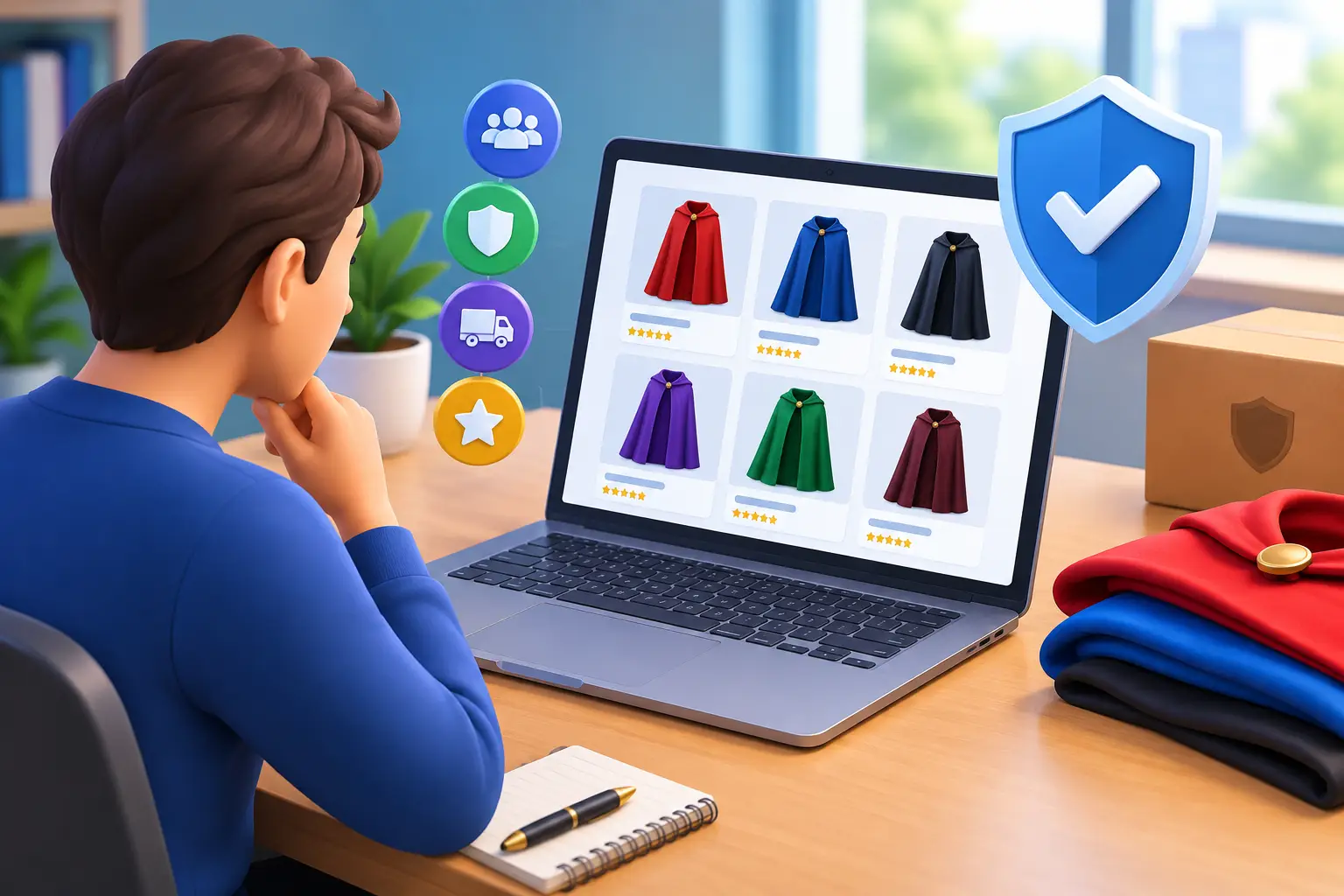
A rare Minecraft cape should feel like a collector win, not a gamble that ends with a dead code, a compromised account, or silence from a seller. When you choose reputable cape resellers, you are not only paying for a cosmetic. You are paying for proof that the item is real, redeemable, and delivered through a buying process built for digital collectibles.
The cape market has real demand because capes carry history, status, and personal value. Event capes, legacy designs, and limited releases can be difficult to find long after their original distribution window closes. That scarcity also attracts sellers who rely on vague listings, account transfers, and pressure tactics. Knowing what to check before checkout protects both your money and your collection.
What Reputable Cape Resellers Actually Sell
Start by identifying the product. A legitimate listing should clearly state whether you are buying an official, redeemable cape code, a gift code, or something else. The exact redemption method matters because a code that can be redeemed to your own account is fundamentally different from access to an account that already owns a cape.
Buying an account is usually the higher-risk route. It can involve unknown recovery details, possible access by a prior owner, and restrictions tied to the game platform’s account policies. Even if an account works when you receive it, that does not mean it is a secure long-term collectible. A clear code-based listing lets you understand what is being delivered and where the cape will live after redemption.
A trustworthy reseller does not hide behind phrases like “rare cape access” or “guaranteed cosmetic” without explaining the format. Look for the cape name, code type, eligibility details, and any relevant redemption conditions. If a listing cannot tell you what you are receiving in plain language, do not assume the best-case scenario.
How to Choose Reputable Cape Resellers Before You Pay
The strongest signal is verification. A specialist marketplace should have a process for checking inventory before it reaches a buyer, rather than merely reposting whatever a third-party seller claims to own. This is especially relevant for rare capes, where screenshots alone can be edited, reused, or disconnected from the actual code being sold.
You should also expect a complete storefront, not just a payment handle and a private message. A serious seller gives buyers a clear product page, stated fulfillment process, contact route, and visible policies for delivery or redemption issues. These details do not eliminate every possible problem, but they show that the business is accountable after payment.
Secure checkout is another practical filter. Paying through an established processor such as Stripe is different from sending money through a personal payment request, crypto wallet, or payment method with no meaningful transaction record. Collectible purchases can be emotional, especially when the item is hard to find. A professional checkout creates a paper trail when you need support.
Fast delivery matters, but clarity matters more. Instant email delivery is valuable because you can receive and redeem an eligible code without waiting for a stranger to come online. Still, “instant” should not mean mysterious. The store should explain what arrives by email, when it arrives, and what to do if it does not appear or cannot be redeemed.
Read the Listing Like a Collector
A rare cape listing deserves more attention than a standard game purchase. Before buying, read every line on the page and confirm that the offer matches your goal. Are you collecting for your own Minecraft account? Buying a gift for another player? Looking for a particular legacy design? The right product depends on the answer.
Focus on specifics. The listing should identify the cape instead of relying only on a thumbnail. It should make the delivery format clear and avoid implying that any code works universally if eligibility may vary. If there is a stated redemption flow, read it before you purchase, not while you are watching the checkout confirmation screen.
Price should be evaluated in context. A low price can be a legitimate promotion, but a dramatic discount on a scarce cape is a reason to slow down. Rarity has a market value. When a deal looks far below the usual collector price, ask what trade-off is being hidden: an unverified code, account-based delivery, delayed fulfillment, or no support once the payment clears.
At the same time, the highest price is not automatic proof of legitimacy. A premium seller should justify its pricing with real value: verified inventory, secure payment, prompt fulfillment, transparent terms, and help if redemption does not go as expected. You are assessing the complete buying experience, not just the number next to the cape.
Red Flags That Deserve an Immediate Pause
Some warning signs are obvious, while others are designed to trigger fear of missing out. Be cautious when a seller insists that you must pay immediately because another buyer is “waiting,” refuses to identify the delivery format, or directs you away from a normal checkout page. Scarcity is real in the cape market, but manufactured urgency is a common way to stop buyers from asking basic questions.
Watch for these patterns when comparing sellers:
- Listings that promise a cape but never say whether delivery is by official redeemable code or account access.
- Prices that are strangely low for a rare or discontinued cosmetic, with no explanation for the discount.
- Sellers who request payment through irreversible or untraceable methods only.
- Screenshots presented as the only proof, especially when there is no verification process behind the listing.
- No support channel, no delivery policy, and no stated path for handling an invalid or missing code.
- Requests for your Microsoft login, password, security code, or recovery information. A cape seller should never need your account credentials.
That last point is non-negotiable. Redeeming an official code should not require giving anyone control of your account. Keep your sign-in information private, use account security features, and complete redemption yourself through the appropriate official process.
Why Specialist Marketplaces Are Safer Than Random DMs
Private deals can look tempting because they feel direct and sometimes appear cheaper. The trade-off is that the buyer often has no reliable way to verify the code before paying and no storefront to return to if the seller disappears. A Discord message, social post, or marketplace comment can establish interest, but it is not a substitute for a real transaction system.
A specialist marketplace is built around the details general marketplaces often overlook. It can present cape-specific descriptions, set expectations for redemption, verify listings before publication, and provide tracked fulfillment rather than leaving buyers to chase a seller through messages. For collectors, that structure is part of the product.
MineCapes.gg is designed around this model, with verified cape listings, Stripe-secured checkout, email delivery, and support for delivery or redemption questions. The value is not simply access to rare cosmetics. It is a cleaner path to getting a cape code without treating your collection like a risky peer-to-peer trade.
Check Your Delivery Immediately
Once you receive a code, do not leave it sitting in your inbox for weeks. Follow the stated redemption guidance promptly, using your own account and the official redemption route identified for that code. Acting quickly gives you the best chance to identify an issue while your order details, confirmation email, and support window are easy to reference.
Keep your purchase confirmation and any delivery emails. For a digital collectible, those records are useful for order support and for your own collection history. Avoid sharing the full code in screenshots, chats, or public posts. A code is the item, not just a receipt.
If redemption fails, stay calm and document what happened. Save the exact error message, confirm that you followed the instructions, and contact the seller through its published support channel. Reputable resellers should be able to review the order and explain the next step. Do not post the entire code publicly while asking for help, since that can expose it to someone else.
Buy the Cape, Not the Hype
Rare Minecraft capes are worth caring about because they make an account feel personal and recognizable. The best purchase is not always the first listing you see or the cheapest offer in a chat. It is the one that gives you a clear item description, credible verification, secure payment, fast documented delivery, and a real place to turn if something goes wrong.
Take the extra minute to read the listing, check the delivery format, and protect your account. A cape earned through a confident, verified purchase will feel far better in your collection than a bargain that leaves you wondering whether it was ever real.