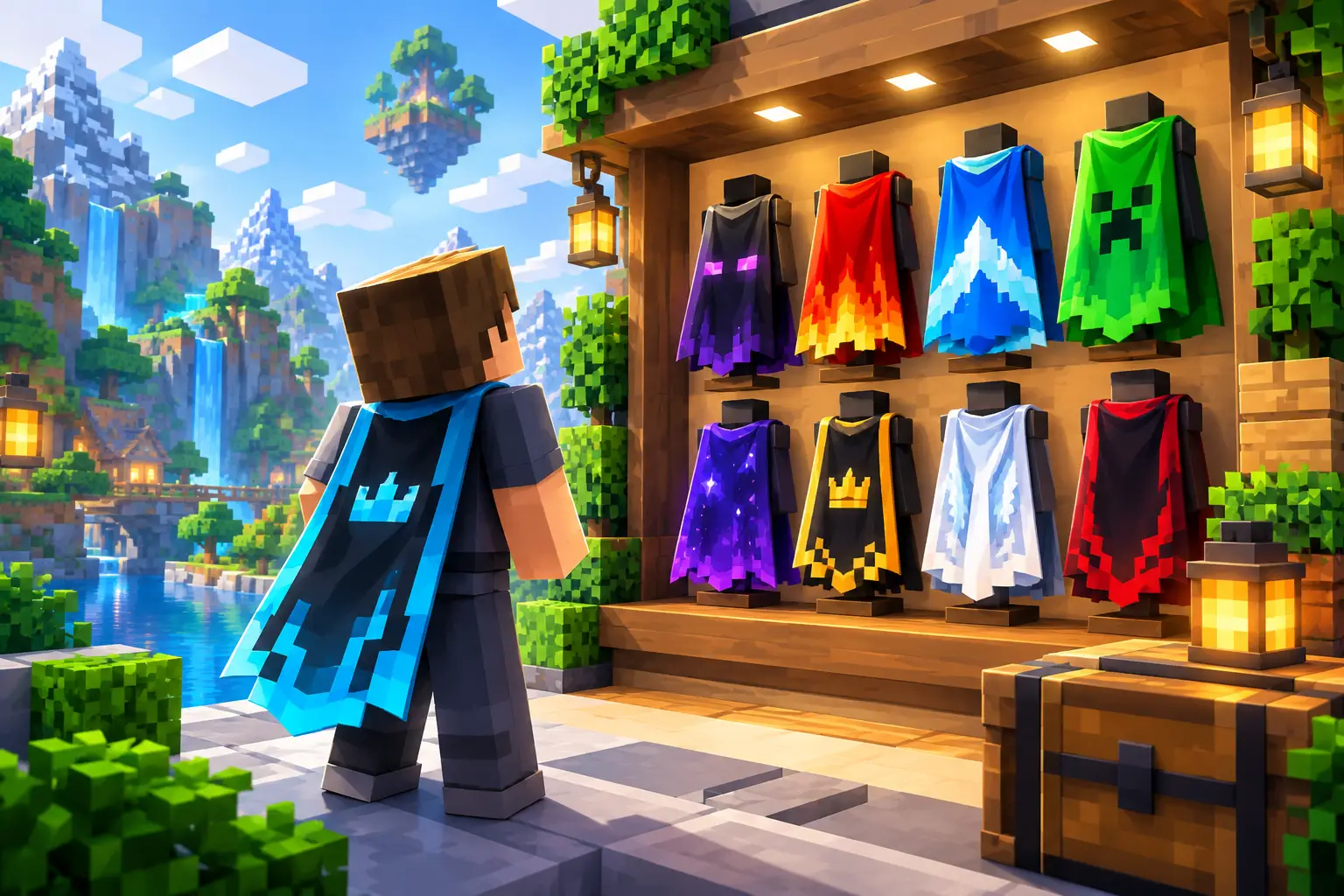
Rare Minecraft capes are not just cosmetics. They are visible proof of a moment, an event, a legacy account, or a collector’s eye for what most players cannot wear. That is why choosing a minecraft cape shop is not the same as buying a skin pack. When a cape code is limited, expensive, or no longer distributed, the purchase comes down to one thing: trust.
A good marketplace makes that trust easy to evaluate. You should know what you are buying, whether the code is legitimate, how it will be delivered, and where to turn if redemption does not go as planned. The goal is simple: get an official redeemable cape code without gambling on anonymous sellers, vague listings, or account-based workarounds.
What Makes a Minecraft Cape Shop Worth Using?
The rare cape market is built on scarcity. Some capes were tied to conventions, special promotions, community events, or limited physical products. Once the original distribution window closes, players who missed it have very few ways to add that cosmetic to their collection.
That scarcity also attracts bad listings. A low price can be tempting, especially when a cape has been on your wishlist for years. But a seller who cannot explain delivery, redemption, or verification is asking you to accept all of the risk. If a code has already been redeemed, was never valid, or cannot be transferred properly, a cheap deal stops being a deal fast.
A specialized cape shop should focus on official code-based inventory rather than vague promises. The strongest listings clearly identify the cape, explain what is included, and set realistic expectations about redemption. That clarity matters because not every cape works the same way. Some codes may be redeemed through a specific official process, while others can have regional, platform, or timing considerations.
There is also a meaningful difference between purchasing a code and purchasing a Minecraft account. A cape code is designed to be redeemed to the buyer’s own eligible account through the relevant official process. An account sale can create far more problems, including recovery disputes, lost access, and potential issues with account ownership. Collectors who want a cape attached to their own Minecraft identity should prioritize redeemable codes whenever possible.
Verification Is the Real Product
The cape itself may be the item you want, but verification is what makes the transaction worth completing. In a niche digital market, inventory checks are not a background detail. They are the difference between a collectible purchase and an expensive headache.
Before a listing goes live, a credible marketplace should verify the code or its provenance according to its process. That does not mean every cape has identical availability or redemption rules. It means the seller has built a system around legitimacy instead of simply reposting offers from untraceable sources.
As a buyer, look for specifics. Does the listing describe the exact cape? Does it state that you are receiving a code, rather than an account or a vague “method”? Is the delivery process explained? Are there clear support channels if the email does not arrive or you need help understanding the redemption steps?
Secure payment processing matters for the same reason. Digital goods move quickly, so payment should not feel improvised. A checkout experience handled through an established processor such as Stripe provides a clearer transaction record and avoids the pressure tactics common in direct-message sales. You should never need to send crypto, use a gift card, or pay through a personal payment request just to obtain a cape.
Why instant email delivery changes the experience
For collectors, fast fulfillment is more than convenience. It reduces the awkward gap between paying and wondering whether anything will arrive. When a verified code is delivered by email shortly after checkout, you have a clear record of what was sent and when.
That said, speed should never replace care. Open the delivery email, read the redemption instructions, and confirm that you are signed in to the correct Microsoft account before you redeem. A cape code may be irreversible once used. Taking an extra minute before submitting it is a smart collector habit.
How to Compare Cape Listings Before You Buy
Cape values are not determined by age alone. A newer promotional cape with a tightly limited distribution can be harder to find than an older cape that reached a wider audience. Design matters too. Some capes have lasting recognition in the community, while others appeal primarily to collectors completing a set.
Start with the cape’s story. Ask why it exists, how it was originally distributed, and whether its availability was broad or restricted. Event-connected capes and legacy promotional items often carry stronger collector appeal because they represent a specific chapter in Minecraft history.
Next, consider personal value. Are you choosing a cape because you love its design, because it matches your skin, or because you want a recognized item in your collection? There is no wrong answer, but it affects what a sensible purchase looks like. A player seeking one signature cosmetic may be better served by a cape they will actually wear than by the rarest item within budget.
Then look at the full listing, not just the price. A slightly higher price can be justified when it includes verified inventory, secure checkout, tracked fulfillment, and responsive support. Conversely, a listing that is dramatically cheaper than every comparable option deserves more scrutiny, not less.
If you are buying a cape as a gift, the same logic applies. Confirm that the recipient understands how code redemption works and has access to the correct account. A code delivered instantly can make an excellent birthday or holiday gift, but only if it is redeemed by the intended person.
Red Flags That Should Stop a Purchase
The rare-cosmetic market has familiar warning signs. Seeing one does not always prove a listing is fraudulent, but seeing several should be enough to walk away. Be especially cautious when a seller offers no purchase record, avoids secure checkout, insists on payment methods with no buyer protection, or cannot state whether the product is a code or an account.
Watch for recycled screenshots as well. A screenshot of a cape on someone’s profile does not prove that an unused code exists. Neither does a claim that a seller can “add” a cape directly to your account. Official cape ownership comes through legitimate channels, and you should be wary of anyone asking for your login details.
Pressure is another red flag. Real scarcity exists, but “buy in the next five minutes or lose everything” language is often used to prevent buyers from asking normal questions. A reliable seller can explain the product without rushing you into an unsafe payment.
Build a Collection You Actually Want to Keep
A strong cape collection does not have to begin with the most expensive code available. It can start with one cape that feels meaningful and grow over time as your interests become clearer. Some collectors chase event history. Others focus on visual design, seasonal promos, or capes that carry instant recognition on a multiplayer server.
Keep your order emails and redemption confirmations after each purchase. This is useful for your own records and helps you organize a collection that may eventually include multiple rare cosmetics. If you enjoy the history behind capes, learning their original release context can make each one feel more personal than a simple item in a cosmetic menu.
MineCapes.gg is built for buyers who want that collector experience without the usual marketplace noise: verified listings, official redeemable codes, secure Stripe checkout, fast email delivery, and support when a question comes up.
The best cape purchase is not the one with the loudest sales pitch. It is the one you can redeem confidently, wear proudly, and still feel good about long after the checkout screen is gone.