Blog

  • Where to Buy Minecraft Cape Code Safely

    Where to Buy Minecraft Cape Code Safely

    If you want to buy Minecraft cape code access, the real question is not just where to find one. It is how to get an official, redeemable code without walking straight into a fake listing, a burned code, or a seller who disappears the second payment clears. In a market built on rarity, trust matters as much as the cape itself.

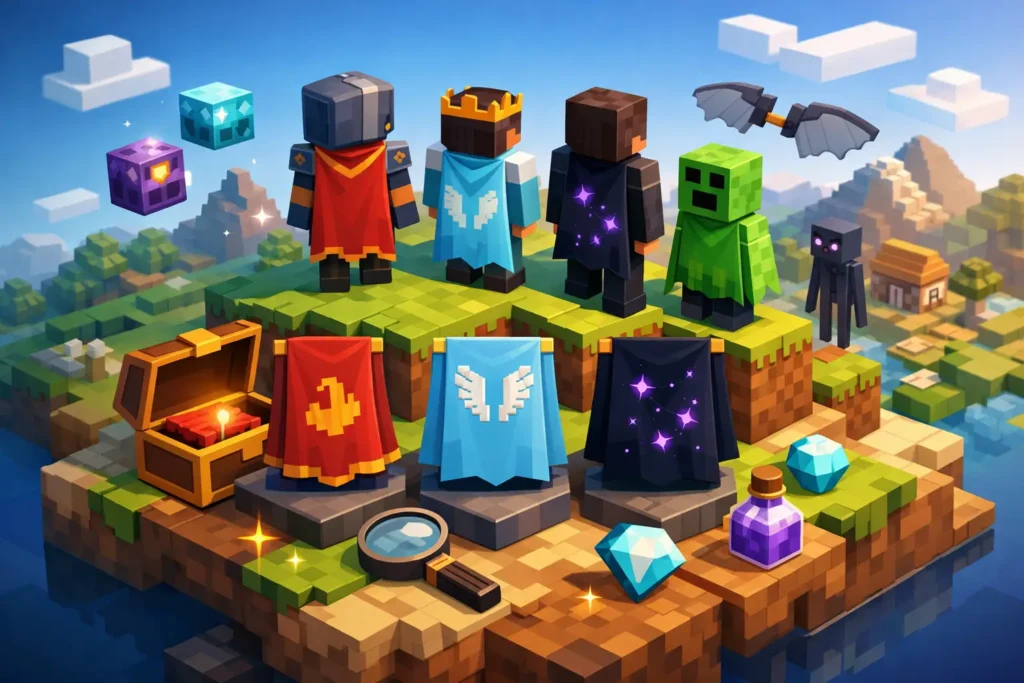
    A Minecraft cape is not just another cosmetic. For a lot of players, it is status, history, and identity in one item. Some capes came from events, some from promotions, and some from limited releases that are no longer easy to get. That scarcity is exactly why the category attracts serious buyers and opportunistic resellers at the same time.

    Why players buy Minecraft cape code listings

    Most buyers are not looking for a random cosmetic. They want something specific – a cape with collector value, visual recognition, or personal meaning. Maybe it is tied to a past event they missed. Maybe it is a gift for a longtime player. Maybe they simply want their account to stand out in a lobby full of default skins and common cosmetics.

    That is also why codes matter. A redeemable code is typically cleaner than buying access through risky account transfers or vague promises. If the code is official and unused, you know what you are paying for. If it has already been redeemed, was never valid, or came from a questionable source, the deal falls apart fast.

    What it really means to buy Minecraft cape code offers

    Not every cape listing is the same, and that is where buyers get burned. Some sellers use the phrase loosely, even when they are not selling a true redeemable code. They may be offering an account with a cape attached, a manual transfer arrangement, or a product that depends on a redemption method that no longer works.

    A legitimate listing should clearly explain what you are receiving. Is it an official redeemable code? Is the code unused? What cape does it unlock? How is delivery handled? If those answers are missing, the listing is weak before you even look at the price.

    There is also a timing issue. Some codes are easy to verify before sale. Others are tied to older promotions and need more careful validation. In collectible digital goods, rarity raises the upside, but it also raises the risk. That is normal. What matters is whether the marketplace actually addresses that risk instead of pushing it onto the buyer.

    How to tell if a cape code listing is worth trusting

    The safest purchase is usually the one with the least ambiguity. Clear product naming, accurate cape identification, and direct explanation of code delivery are not marketing extras. They are basic proof that the seller understands the category.

    Look for signs that listings are reviewed before they go live. In this niche, verification is everything. A marketplace that checks inventory, confirms code type, and tracks fulfillment is solving the exact problem buyers care about most. Without that layer, you are just hoping the seller is honest.

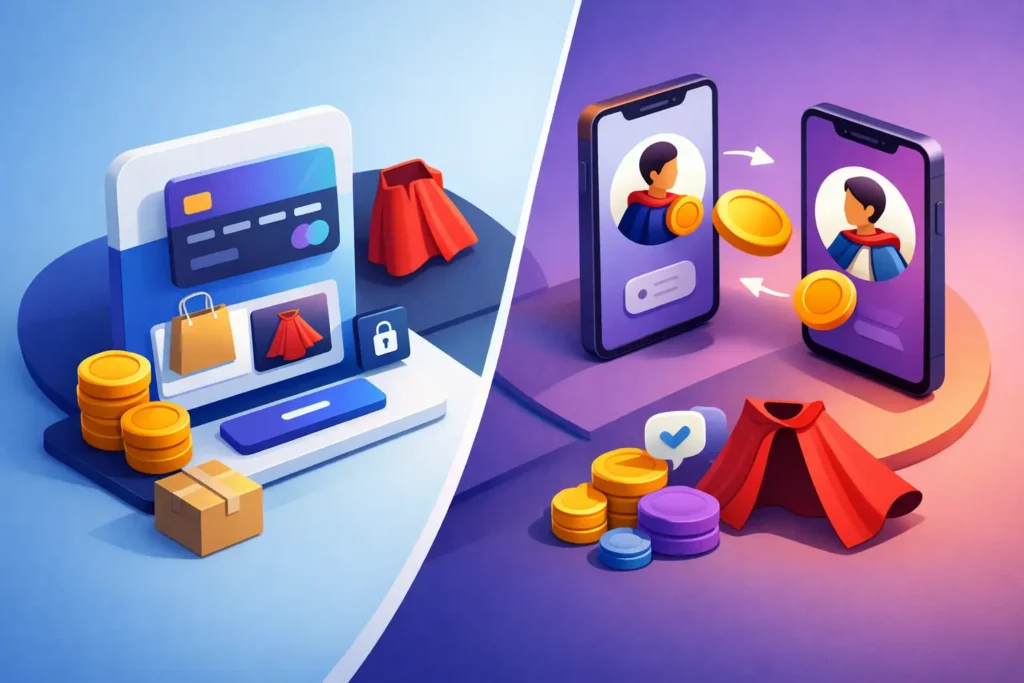
    Payment handling matters too. Secure checkout through a recognized processor is a better signal than crypto-only payments, gift card requests, or direct peer-to-peer transfers. The more a seller pushes you toward unprotected payment methods, the more likely it is that trust is not part of the business model.

    Delivery speed is another clue. Fast email fulfillment is good, but only if it comes with order tracking and support. Instant delivery sounds great until something goes wrong and there is nobody to contact. For a rare code purchase, support is not optional. It is part of the product.

    Buy Minecraft cape code listings without falling for common traps

    Scam patterns in this category are usually pretty obvious once you know what to watch for. The first is the underpriced rare cape. If a listing is dramatically below market expectation, there is usually a reason. Either the seller does not know what they have, which is uncommon in a collector market, or the product is not what it claims to be.

    The second trap is vague language. Terms like “cape access,” “special Minecraft cosmetic,” or “limited item” can hide the fact that there is no real code involved. Serious buyers should want exact wording. If you are paying collector prices, you should not have to guess what arrives in your inbox.

    The third is pressure. If a seller says you must pay immediately because multiple buyers are waiting, treat that as a warning, not a reason to rush. Rare inventory does move quickly, but trust-first sellers do not need panic tactics to close a sale.

    The final trap is zero post-purchase support. Even with a valid code, buyers sometimes need help with redemption steps, account questions, or delivery checks. A seller that vanishes after payment is not selling confidence. They are just selling exposure to risk.

    What a secure buying experience should look like

    A strong marketplace makes the purchase feel simple because the hard parts have already been handled behind the scenes. Listings should be curated, not dumped into a catalog with no review. Codes should be verified before publication, not after a buyer reports a problem. Checkout should be secure, and delivery should be fast enough to match the expectations of digital goods.

    That combination is what turns a collectible purchase into a normal e-commerce transaction. When the process is built well, you are not negotiating with random sellers in DMs or trying to judge trust from screenshots. You are buying a defined product with a clear fulfillment path.

    This is where a specialist platform has a real edge over informal marketplaces. A niche storefront built around official Minecraft cape codes understands the difference between rarity and confusion. MineCapes.gg, for example, is structured around verified listings, secure Stripe payments, instant email delivery, and support when redemption questions come up. In this category, those are not small details. They are the whole reason people choose a dedicated marketplace instead of gambling on a stranger.

    Why authenticity beats the cheapest price

    It is easy to focus on price when you first start shopping. Then you see how many listings look inconsistent, incomplete, or suspiciously cheap, and the real buying priority becomes obvious. You are not just paying for the cape. You are paying for authenticity, successful redemption, and the confidence that the item is what the listing says it is.

    That does not mean every higher-priced listing is automatically better. Some sellers overvalue common demand spikes or try to price rarity beyond reason. But the cheapest option in a trust-sensitive digital market is often the most expensive mistake. A bad code at a low price is still wasted money.

    Collectors especially understand this trade-off. The more desirable the cape, the more important provenance becomes. If the code is official, verified, and delivered through a secure process, the price makes sense in a way that bargain shopping never will.

    Before you buy, know what happens after delivery

    A lot of buyers stop evaluating the purchase the moment they see a valid checkout page. That is too early. You should also know how redemption works, what account you need, and what support exists if the code does not apply the way you expect.

    Some issues are simple user errors. Others come from misunderstanding the cape type or redemption path. A good marketplace helps reduce that friction with clear instructions and responsive support. That is especially useful for gift buyers and newer collectors who know they want a cape but are less familiar with the redemption details.

    This is also why tracked fulfillment matters. If your order is delivered by email, there should be a record of when it was sent and what happens next. In digital goods, visibility creates confidence. Silent delivery systems create disputes.

    The smart way to approach rare cape buying

    If you are serious about getting a cape code, think like a collector and a buyer at the same time. Know what cape you want. Verify that the listing is for an official redeemable code. Check that payment is secure, delivery is clearly explained, and support is available if anything needs attention.

    That approach is less exciting than chasing mystery deals in private messages, but it is how real buyers protect themselves. Scarcity creates demand. Verification is what turns that demand into a safe purchase.

    The best cape buys feel clean from start to finish. You know what you are buying, you know how it is delivered, and you are not left wondering whether the code will work when it matters. In a category built on prestige, that kind of certainty is worth more than hype.

  • Minecraft Cape Code: What Buyers Should Know

    Minecraft Cape Code: What Buyers Should Know

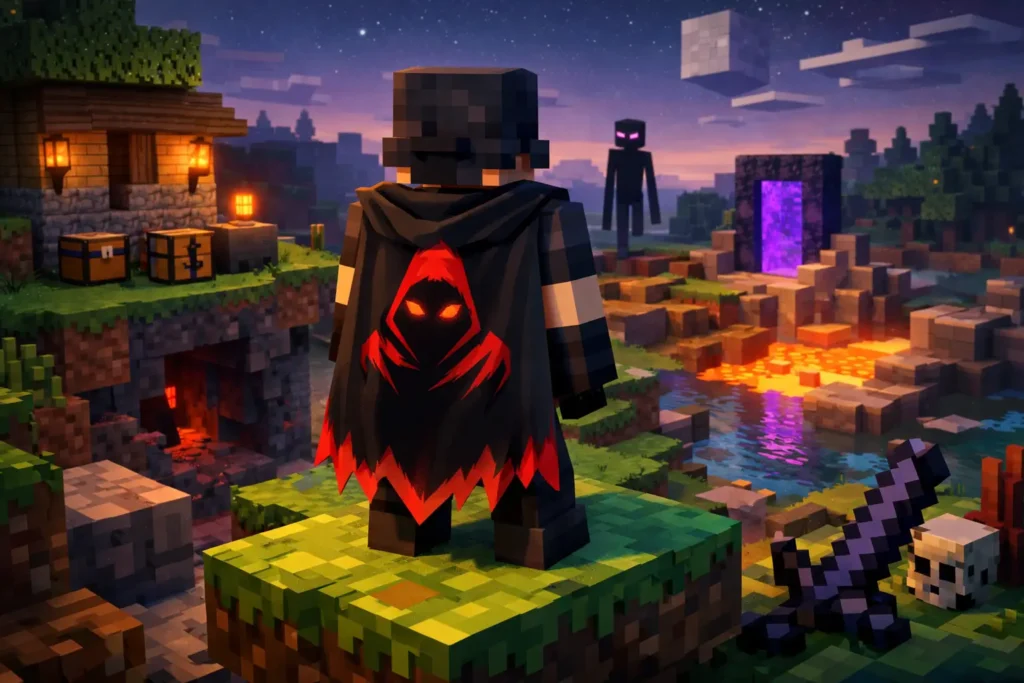
    A real minecraft cape code is one of the few cosmetic items in the game that still carries instant status. You do not need to explain it in chat. Players recognize it on sight. That is exactly why cape codes attract serious buyers, casual gift shoppers, and a lot of bad listings that count on confusion.

    If you are looking at a cape code, the real question is not just whether the cape looks good. It is whether the code is official, redeemable, and delivered in a way that does not leave you stuck with a dead purchase. In a market built around rarity, trust is the product as much as the cape itself.

    What a minecraft cape code actually is

    A minecraft cape code is a redeemable code issued for an official cape tied to Minecraft or Mojang promotions, events, editions, or special releases. Instead of receiving an account with a cape already attached, the buyer receives a code that can be redeemed through the proper official flow.

    That distinction matters. A code is different from account access, different from a migration claim, and different from someone promising they can “add” a cape later. Official redeemable codes are attractive because they offer cleaner ownership and a more direct path to activation when they are still valid.

    For collectors, codes also carry a different kind of appeal. They feel closer to sealed inventory in other collectible markets. The value is tied not only to the final cosmetic but to legitimacy, scarcity, and whether the code remains unredeemed.

    Why minecraft cape code listings vary so much in value

    Not all capes live in the same tier. Some are common enough that buyers mainly care about convenience. Others are legacy items tied to very specific moments in Minecraft history, which pushes pricing higher and puts authenticity under a microscope.

    Three things usually shape value. First is rarity. A limited event cape with low surviving code inventory will always get more attention than a widely distributed promotional item. Second is demand. Some capes simply have more prestige in the community, even if they are not the rarest on paper. Third is redemption confidence. A code with clear verification and tracked fulfillment will command more trust than a vague listing with blurry screenshots and loose promises.

    This is where buyers often make mistakes. They focus on the image of the cape and ignore the structure of the listing. In practice, the listing quality tells you almost as much as the product itself.

    How to tell if a minecraft cape code is worth buying

    A strong listing should answer the questions serious buyers actually have. Is the code official? Has it been verified before publication? How is it delivered? What happens if there is a redemption issue? If those basics are missing, the price is not the real risk. The uncertainty is.

    The best sellers remove friction before payment. They make it clear that the item is a code, not an account. They explain delivery timing. They confirm that checkout is secure. They also understand that buyers in this niche want proof of process, not just hype about rarity.

    That does not mean every low-priced listing is fake or every high-priced listing is safe. It means the best purchase is usually the one with the clearest chain of trust. In this category, transparency is part of the inventory.

    Common risks buyers overlook

    The biggest risk is assuming every cape offer works the same way. It does not. Some listings are for official redeemable codes. Some are for full accounts. Some are recycled scams using old screenshots or copied product language. If you treat those as interchangeable, you make it easier to get burned.

    Another common issue is expired or already-used codes. Because cape codes are digital, buyers cannot rely on physical condition the way they would in a traditional collectible market. The seller’s verification process matters more than presentation.

    Then there is post-sale support. Even legitimate buyers can hit redemption confusion, email delivery issues, or account mismatches. A seller that disappears after checkout is a problem, even if the listing looked clean at first. That is why fulfillment standards matter. Instant email delivery is great, but tracked delivery and responsive support are what turn speed into trust.

    How redemption usually works

    When you buy a code, you should expect a clear redemption path. That usually means receiving the code by email, following the official redemption instructions, and applying it to the correct account. If the seller cannot explain this flow in plain language, that is a red flag.

    Redemption is usually straightforward, but details matter. Make sure you are signed into the intended Microsoft or Minecraft account before redeeming anything. Double-check the exact cape tied to the code. If you are buying as a gift, confirm whether the recipient needs to redeem it personally.

    The cleanest buying experience is one where the process is explained before you pay, not after you hit a problem. Serious marketplaces understand that a premium collectible should not come with guesswork.

    Why collectors prefer verified code marketplaces

    Collectors do not just want access. They want confidence. A verified marketplace solves a different problem than an informal seller on social media or in a random Discord server. It reduces the chance that you are buying a used code, a misrepresented item, or a product with no delivery trail.

    That verification layer matters more as prices rise. Once a cape moves from impulse buy territory into collector pricing, buyers stop caring about flashy wording and start caring about controls. Was the listing checked before going live? Is payment handled through a recognized processor? Is delivery immediate and documented? Is there support if redemption needs attention?

    That is why specialized platforms like MineCapes.gg exist in the first place. The market for rare capes is strong, but trust gaps are everywhere. A collector-focused storefront closes those gaps by treating authenticity and fulfillment as core product features, not extras.

    When a cheaper cape code is not the better deal

    Price matters, but context matters more. A cheaper code from an unverified source can become the most expensive option once you factor in failed redemption, account risk, or time spent chasing a seller who vanishes. Buyers who collect long term usually learn this quickly.

    A premium price can be justified when the listing includes real verification standards, secure checkout, and immediate delivery. That does not mean you should overpay blindly. It means you should compare what is actually being sold, how it is being validated, and what kind of support stands behind it.

    If two listings look similar but one clearly explains provenance and fulfillment while the other hides behind vague wording, they are not equal offers. In rare digital goods, clarity has value.

    Who should buy a minecraft cape code

    There are really three types of buyers here. The first is the collector who wants a specific cape for prestige, completion, or long-term ownership value. The second is the player who simply wants a recognizable cosmetic without dealing with gray-market chaos. The third is the gift buyer who knows a cape will land harder than almost any generic game card.

    Each group has different tolerance for risk. Collectors care most about verification and rarity. Mainstream players care about a smooth, safe purchase. Gift buyers care about getting the right product delivered fast with redemption that is easy to follow. A good marketplace should serve all three without making the process feel complicated.

    What smart buyers check before checkout

    Before buying, confirm that the listing is for an official redeemable code, not account access. Read how delivery works and when the code arrives. Look for secure payment handling and any mention of support if redemption needs help. If the item is rare, expect the listing to communicate that rarity clearly rather than rely on generic sales language.

    Also be realistic about availability. Some cape codes are genuinely scarce. If a rare item appears repeatedly at suspiciously low pricing, that is not a hidden deal. It is usually a signal that something about the listing does not add up.

    The best cape purchases feel simple because the seller has already done the hard part – verification, fulfillment setup, and product clarity. That is what you should be paying for.

    A minecraft cape code is a small digital item, but in this niche it carries real collector weight. Buy like it matters, because once the code is redeemed or proves invalid, the difference between a clean purchase and a bad one becomes obvious fast.