A rare Minecraft cape can be a piece of game history, a collector flex, or the finishing touch on the skin you have used for years. That value is exactly why the digital marketplace vs peer resellers decision matters. You are not simply choosing where to check out. You are choosing how much uncertainty you are willing to accept for a code that may be limited, legacy-related, or difficult to replace.
Peer-to-peer deals can look tempting when a seller posts a lower price or claims to have a one-of-one opportunity. But price is only one part of the purchase. Verification, payment protection, delivery speed, and help after the sale all shape whether the deal is actually worth it.
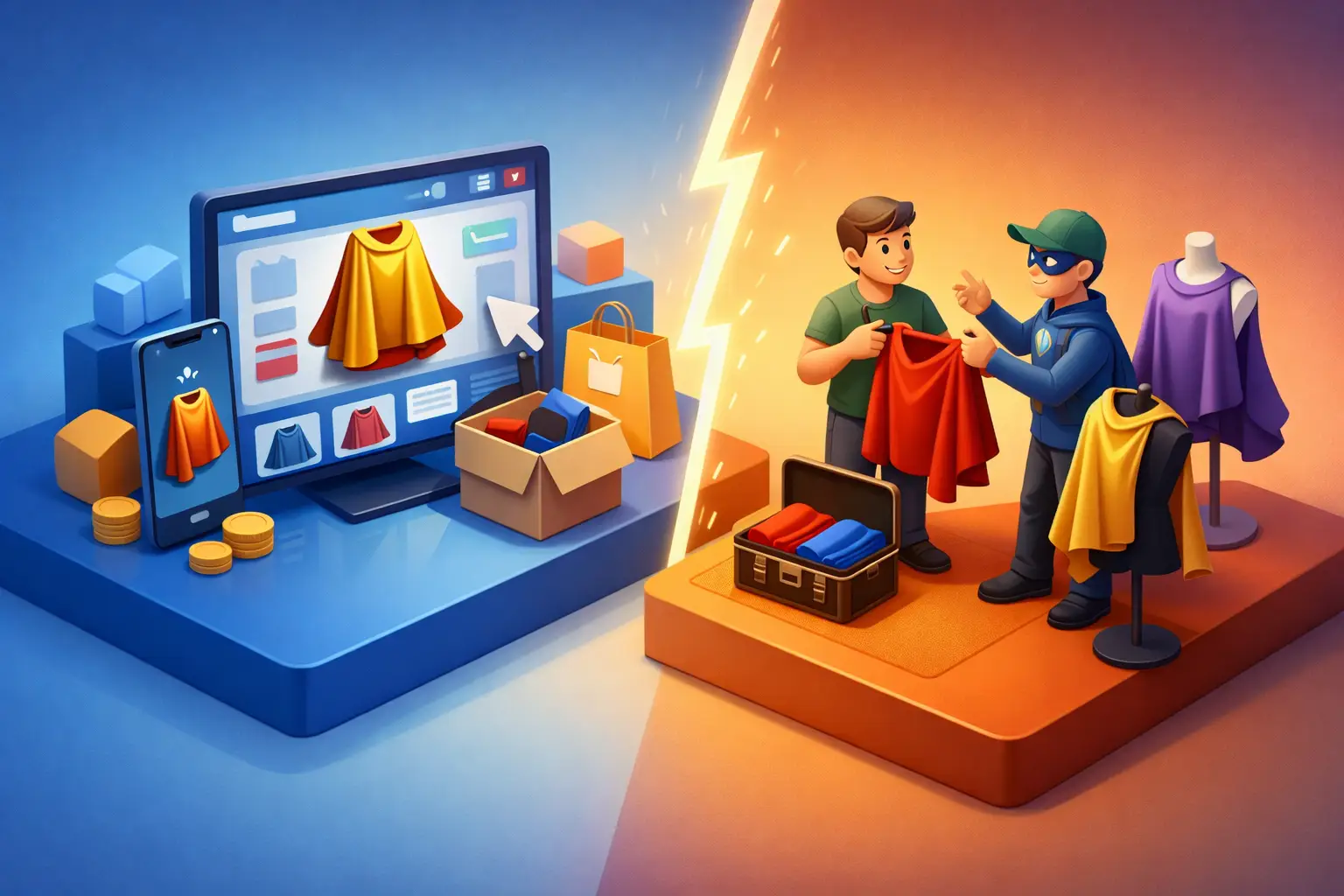
Digital Marketplace vs Peer Resellers: The Core Difference
A digital marketplace is built to sell a specific kind of digital item through a standardized storefront. Listings are presented with consistent product information, checkout happens through a secure payment flow, and delivery follows a defined process. For Minecraft cape buyers, the best version of this model centers on verified, official redeemable codes rather than vague promises or account access.
A peer reseller is an individual selling directly through a social platform, Discord server, forum, group chat, or private message. Some peer sellers are legitimate collectors with real inventory. Others may be inexperienced, hard to verify, or actively trying to take advantage of demand. The format itself is not proof of a scam, but it places far more of the investigation on the buyer.
That is the real distinction: a marketplace is designed to reduce uncertainty at scale, while a peer transaction depends heavily on one person keeping their word.
What You Are Actually Buying
Before comparing sellers, get clear on the item. A collectible Minecraft cape should be described precisely: its name or event association, whether it is an official code, and how it is redeemed. A valid code is very different from an account containing a cape, a screenshot of a cape, or a promise that someone will “add” one later.
Account sales come with extra risk. An account may be recoverable by its original owner, tied to personal information, or subject to platform rules that create complications later. A cape code, when legitimate and unredeemed, is generally the cleaner collectible product because it can be redeemed to the buyer’s own eligible account through the appropriate official process.
A quality listing should not make you guess what is included. If the product details are thin, the seller avoids direct questions, or the offer sounds too broad to be real, step back before payment.
Verification Is the Value Behind the Price
The strongest reason to use a specialized marketplace is verification. In a private sale, a seller can send old screenshots, show a code that has already been used, or present inventory they do not control. You may not know that there is a problem until after you have sent payment.
Marketplace verification creates a checkpoint before a listing reaches the buyer. That can include confirming the product type, reviewing code status, and making sure the listing is represented accurately. No collectible purchase is completely free of risk, but a seller that treats verification as part of the transaction removes several common failure points before checkout.
For a rare cape, this matters more than it might for a low-cost game item. The harder an item is to find, the more expensive a mistake becomes. Saving a small amount through an unverified seller can feel less impressive when the code fails, the seller disappears, and there is no structured path to resolve the issue.
Red flags in peer listings
Watch for pressure tactics such as “buy in the next five minutes,” requests for crypto-only or gift-card payments, and refusal to use any payment method with a record of the transaction. Be equally cautious when a seller offers a rare cape at a price dramatically below the rest of the market. A bargain can be real, but it should make you ask why.
Other warning signs include cropped screenshots with no useful context, inconsistent usernames across platforms, copied product descriptions, and requests to move the conversation into a disappearing-message app. A serious seller should be able to explain what they are selling and how delivery will work without turning every question into a negotiation.
Checkout Protection Changes the Experience
Peer resellers often ask for payment methods that are final once sent. That reduces friction for the seller, not the buyer. If the code is invalid or never arrives, proving what happened can be difficult, especially if the entire transaction took place through direct messages.
A digital marketplace uses a formal checkout process with documented order details and secure card processing. That does not mean buyers should purchase carelessly, but it does mean there is a clearer record of the listing, the price, the order date, and the delivery expectation. Those details matter if you need help later.
For gift buyers, this is especially useful. Buying a cape for a friend should feel like giving a rare collectible, not managing a risky private trade on their behalf. A clean checkout and clear delivery process let you focus on the gift instead of chasing a seller for updates.
Instant Delivery Is More Than Convenience
Minecraft players often shop for a cape because they want to redeem it now: before a server event, a content upload, a birthday, or a long-awaited skin refresh. A peer seller may be asleep, busy, in another time zone, or simply slow to respond. Until they send the code, you are waiting on a stranger.
A marketplace built for digital goods can deliver the code by email immediately after payment is processed. That gives buyers a predictable handoff and creates a record they can return to when they are ready to redeem. Tracked fulfillment also makes it easier to tell the difference between a delivery issue and a misplaced email.
Instant delivery does not replace careful redemption. Read the product instructions, confirm which account you are signed into, and follow the redemption steps closely. For a high-value code, taking an extra minute before submitting it is smart collector behavior.
Support Matters When Something Is Not Clear
The ideal purchase is simple: you choose a cape, receive the code, redeem it, and enjoy seeing it in-game. Still, digital goods can raise practical questions. The email may land in a spam folder. A buyer may not know where to redeem a particular code. A gift recipient may need help understanding the next step.
With peer sales, support usually means messaging the same person who received your money. If they are responsive, that can work. If they block you, delete their account, or insist the problem is yours, there may be nowhere else to go.
A dedicated marketplace has a reason to protect its reputation beyond a single deal. MineCapes.gg, for example, focuses on verified official cape listings, secure Stripe checkout, email delivery, and support around redemption or delivery questions. That structure is valuable because it gives buyers a defined place to turn when the transaction needs attention.
When a Peer Reseller Can Make Sense
There are cases where an established peer seller may be a reasonable option. A longtime collector with a public reputation, consistent transaction history, detailed proof of inventory, and a protected payment method is not the same as a random new account in a Discord channel.
Peer buying can also make sense when you are pursuing an extremely obscure collectible that no marketplace currently lists. In that situation, patience and research matter. Check reputation across more than one community, verify that the seller has controlled the item over time, keep all communication documented, and never let urgency override basic caution.
Even then, understand the trade-off. You may get access to a rare opportunity, but you are taking on the work that a specialized marketplace normally handles for you.
Choose the Purchase Path That Protects the Cape
If your priority is the lowest possible asking price, peer listings may keep pulling your attention. If your priority is confidence that the product is accurately represented, payment is handled securely, and delivery has a clear process, a digital marketplace is usually the stronger choice.
Rare capes are about more than pixels. They carry event history, scarcity, and personal identity across the Minecraft worlds you join. Buy from a process that treats that value seriously, keep your redemption details organized, and make the cape you choose one you can enjoy showing off rather than worrying about.